
28 October 2026·5 min read
End-of-Season Maintenance: How to Prepare Your Yacht for Winter
Son güncelleme: 28 October 2026
Kısa yanıt
To winterise a yacht, change the engine oil and filters after the last trip of the season, flush the raw-water circuit with fresh water, fill the fuel tanks to limit condensation, drain the fresh-water system, keep the batteries charged or remove them, and protect the interior from damp. Boats hauled out should have the hull washed and the anodes, propellers and shafts inspected. After lay-up, check the yacht at least once a month through the winter.
Why maintenance should start as soon as the season ends
From October onwards most boats sit idle for months or are used only now and then. That idle period is exactly when most problems begin: water condensing in the tanks, seals drying out, batteries draining, mould in a closed-up interior. A few days set aside at the end of the season can spare you a long list of faults in April.
Timing matters as well. Haul-out schedules at marinas and yards fill up in October and November, and if you don't book the travel lift and the technicians early, the boat waits in line. Deciding by late September where and when the yacht will spend the winter makes everything easier.
Ashore or afloat?
Along Turkey's Aegean and Mediterranean coasts the sea rarely gets cold enough to freeze, so many yachts spend the winter in the water at a marina. This keeps the boat ready to use and avoids haul-out costs. The trade-off is that antifouling, anodes and propellers stay in contact with seawater all winter, and on a boat nobody checks, a failing bilge pump or shore-power fault can grow unnoticed.
A yacht hauled out, on the other hand, is in the right place for hull work, fresh antifouling, and shaft and propeller jobs. The key point is that cradles and supports must suit the boat's structure and carry the hull at the points the builder specifies. Frost is a real risk in the Marmara region and inland, and boats laid up ashore there need their plumbing and engine cooling circuits protected against freezing.

Whichever option you choose, most of the preparation is the same.
Engines and generator
Engine oil collects acids and moisture over the season. Changing it at the end of the season, rather than leaving used oil inside the engine for months, protects internal parts; the oil filter is replaced at the same time. The raw-water circuit is flushed with fresh water and, where frost is possible, filled with the antifreeze the manufacturer recommends.
The impeller, the rubber vane wheel inside the raw-water pump, takes a set if it sits in one position for months and can break on the first start. Many service engineers therefore suggest removing it for the winter or fitting a new one at the start of the season. Generators need the same treatment as the main engines. Owners often forget them, which is why the first fault in spring so often comes from the generator.
For a yacht with high engine hours, winter is also the best time to deal with postponed work. We cover how to decide on an engine overhaul in a separate article on engine maintenance.
Fuel system
In a half-empty tank, the gap between day and night temperatures makes water condense on the tank walls. In diesel this water feeds bacterial growth and, eventually, clogged filters. The usual practice is to fill tanks to 90-95 per cent, drain and inspect the water separator, and add a fuel treatment where needed. For petrol engines a fuel stabiliser slows the ageing of fuel during long storage.
Fresh water, plumbing and heads
The calorifier, water tanks and lines are drained. If the boat will winter somewhere that can freeze, the lines are filled with antifreeze approved for drinking-water systems; engine antifreeze is not suitable for this. Heads and the holding tank are flushed thoroughly with fresh water and emptied. Skip this step and the first thing that greets you in spring is the smell.
Electrics and batteries
A battery that isn't used slowly discharges itself, and a fully flat battery loses capacity for good. On boats connected to shore power the charger can stay on. Without shore power, remove the batteries, store them somewhere cool and dry and recharge them once a month. Clean the terminals and tighten any loose connections.
For yachts wintering in a marina, check the shore-power cable and the residual-current device as well. Whether the bilge pump keeps running through a winter storm depends on that circuit.
Deck, interior and damp
Damp is the main enemy of a closed-up yacht. Cushions, bedding, canvas and sails should be dried thoroughly and, if possible, taken off the boat. Use a dehumidifier or ventilation in the interior, and leave fridge and locker doors ajar. If you use a winter cover, tension it so it doesn't rub the hull or flap in the wind, and leave room for air to circulate underneath.

Hull, underwater gear and cradles
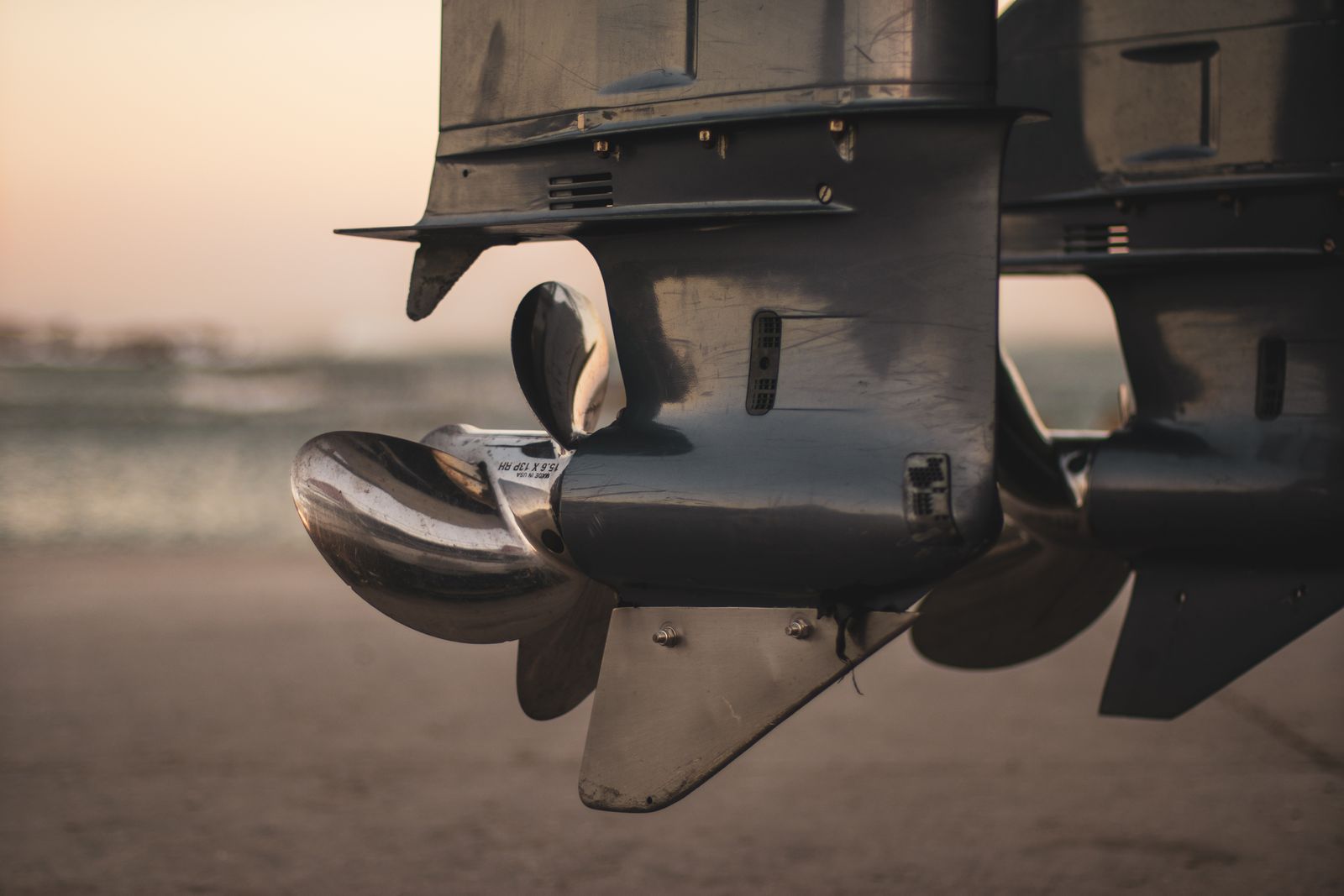
When a yacht is hauled out, pressure-wash the hull the same day; barnacles and weed are much harder to remove once they dry. Look for cracks, blisters (a possible sign of osmosis) and impact marks in the gelcoat at the same time. Replace anodes that are more than half worn, and check the propellers and shafts for play. Inspect cradles and supports through the winter, especially after strong winds.
Keeping an eye on the boat through winter
A winterised yacht still shouldn't be left to itself. The bilge, batteries, cover lashings and mooring lines should be checked at least once a month, and for boats staying in a marina it is worth confirming after heavy rain that the bilge pump is working. For owners who live far from their yacht, a yacht management service that carries out and reports these checks catches small problems before they grow.
At Marine Group Yachting we help owners plan the end of the season, arrange haul-outs and yard bookings, and look after the yacht through the winter. A boat with a well-kept maintenance record is also the one buyers trust most when it eventually comes up for sale.
Sıkça Sorulan Sorular
When should a yacht be winterised?
Ideally after the last trip of the season, before the weather turns cold. On the Turkish coast this usually means October or November. For boats being hauled out, booking the travel lift and yard by late September avoids waiting in line.
Is it better to winter a yacht ashore or afloat?
Both have their place. Wintering afloat is common in Aegean and Mediterranean marinas and keeps the boat ready to use, but it needs regular checks. Wintering ashore suits hull, antifouling, shaft and propeller work better. In areas with a frost risk, boats laid up ashore need their plumbing protected with antifreeze.
Should fuel tanks be left full over winter?
Yes, most manufacturers and service yards recommend filling tanks to 90-95 per cent. Water that condenses in the empty space encourages bacterial growth in diesel and leads to clogged filters. Drain and inspect the water separator, and use a fuel treatment where needed.
How often should a yacht be checked during winter?
At least once a month, covering the bilge, batteries, cover lashings and mooring lines. An extra check after strong winds or heavy rain is worthwhile, especially for boats in a marina, to catch bilge-pump and shore-power faults early.
İlgili Sayfalar
About the author

Şahan Demircan
CHAIRMAN & FOUNDER
Published on 28 October 2026
With more than 25 years of hands-on experience in the yachting and maritime industry, Şahan brings deep expertise in yacht brokerage, valuation, negotiation and sales management. His knowledge spans yacht construction, technical systems, market dynamics and international legal procedures. He also writes columns and articles on yacht brokerage and teaches the subject at several universities.